
Find the Citation Court
Traffic cases in Lehigh County are usually handled by a Magisterial District Court unless the matter becomes a Common Pleas criminal case, appeal, or more serious proceeding. The issuing court printed on the citation is the key starting point. It may be an MDJ office outside downtown Allentown, so searching only the Lehigh County Courthouse or the Court of Common Pleas can miss ordinary traffic tickets.
The Lehigh County Magisterial District Judge directory is the local court routing source for MDJ offices, while the statewide UJS Magisterial District Court docket sheet search is the main public docket lookup. Use the citation number or docket number when possible. Name searches can return multiple people or unrelated cases.
- Magisterial District Courts: most traffic citations, non-traffic summary cases, and lower-court criminal starts.
- Court of Common Pleas: DUI, appeals, and serious criminal traffic matters after transfer or appeal.
- PennDOT: driver history, points, suspensions, restorations, and license status.
Lehigh County MDJ Traffic Search
The UJS MDJ docket search is the best public first step for a Lehigh County traffic court records search. It can cover traffic, non-traffic, criminal, civil, landlord-tenant, and small-claims docket types at the Magisterial District Court level. A traffic docket can show the citation, offense, plea, hearing activity, fines, costs, disposition, and failure-to-appear entries when those fields are public.
- Read the citation for the MDJ court, citation number, docket number, response deadline, and charge.
- Open the UJS MDJ docket search and select Lehigh County when a county filter is available.
- Search by citation number or docket number first because it is the narrowest method.
- If the number is not available, search by participant name and use date filters to avoid false matches.
- Open the docket sheet and review plea, hearing, disposition, costs, and any warrant or default entries.
| Field Label | Type | Required | Options / Format Notes |
|---|---|---|---|
| County | Dropdown | Yes or optional | Select Lehigh for county-specific traffic records. |
| Court office / MDJ | Dropdown | Optional | Use the issuing court from the citation if known. |
| Citation number / docket number | Text | Optional | Best exact search for a traffic citation. |
| Participant name | Text | Optional | Use last and first name, then narrow common names by date. |
| Date range | Date | Optional | May refer to filing, incident, or citation date depending on the search page. |
| Case type | Dropdown | Optional | Choose Traffic when available; other MDJ types are separate. |
| Search / Reset | Buttons | n/a | Submit or clear the query. |
What Traffic Records Show
Lehigh County traffic court records are case records, not driving abstracts. They show what happened in the citation case. A docket may list the issuing court, citation number, charged statute, plea, hearing notices, continuances, default or failure-to-appear activity, disposition, fines, costs, and payment activity. If the case is appealed or becomes a Common Pleas criminal matter, the later Common Pleas docket may need a separate search.
- Citation or docket number: the unique traffic case identifier used by the MDJ or UJS system.
- Issuing court: the Magisterial District Court or later Common Pleas court tied to the case.
- Charge / statute: the traffic offense, grading, or code section listed on the citation.
- Plea and hearing: guilty, not guilty, scheduled hearing, continuance, or other court event.
- Disposition: outcome such as guilty, dismissed, withdrawn, not guilty, or another case result.
- Financials: fine, costs, restitution if applicable, and payment status.
- Warrant or FTA entry: failure-to-appear or court order entries when public and applicable.
Note: A traffic court record may not show every PennDOT point or license action; driver history is a separate state record.
Pay or Contest Tickets
Do not ignore the response deadline printed on the citation. Paying a ticket can be treated as a plea or admission in many traffic contexts and may create driver-record consequences. Contesting a ticket usually requires entering the proper plea or requesting a hearing by the deadline. If the case is not handled on time, the docket may show default, additional costs, failure-to-appear activity, or license-related consequences.
- Read the citation for the court, deadline, charge, and payment or plea instructions.
- Search the UJS MDJ docket or contact the issuing MDJ office if the citation details are unclear.
- To pay, use only the payment route authorized by the court, UJS, or the MDJ notice.
- To contest, enter the required plea or hearing request before the stated deadline.
- Appear at the hearing or follow the court's remote or written instructions if offered.
- After disposition, check whether PennDOT shows points, suspension, or restoration requirements.
PennDOT Driver Record Fields
PennDOT records are not court dockets. They are driver-history records maintained by the state transportation agency. The PennDOT driver history request page and the official DL-503 form route requests for driver data. Use this channel when the question is license status, points, suspensions, restorations, or driver-history proof rather than the content of an MDJ traffic case.
| Field Label | Type | Required | Notes |
|---|---|---|---|
| Driver name | Text | Yes | Person whose Pennsylvania driver record is requested. |
| Driver license number | Text | Yes or important | Official driver identifier for accurate matching. |
| Date of birth | Date | Yes | Identity verification field. |
| Address | Text | Yes | Mailing or contact address for the request. |
| Type of record | Checkbox | Yes | Basic, certified, or full-history options may vary. |
| Requester certification/signature | Signature | Yes | Required request certification. |
| Fee/payment | Payment | Yes | Use the current PennDOT fee schedule. |
The PennDOT source is the official driver-history route for license status and points.
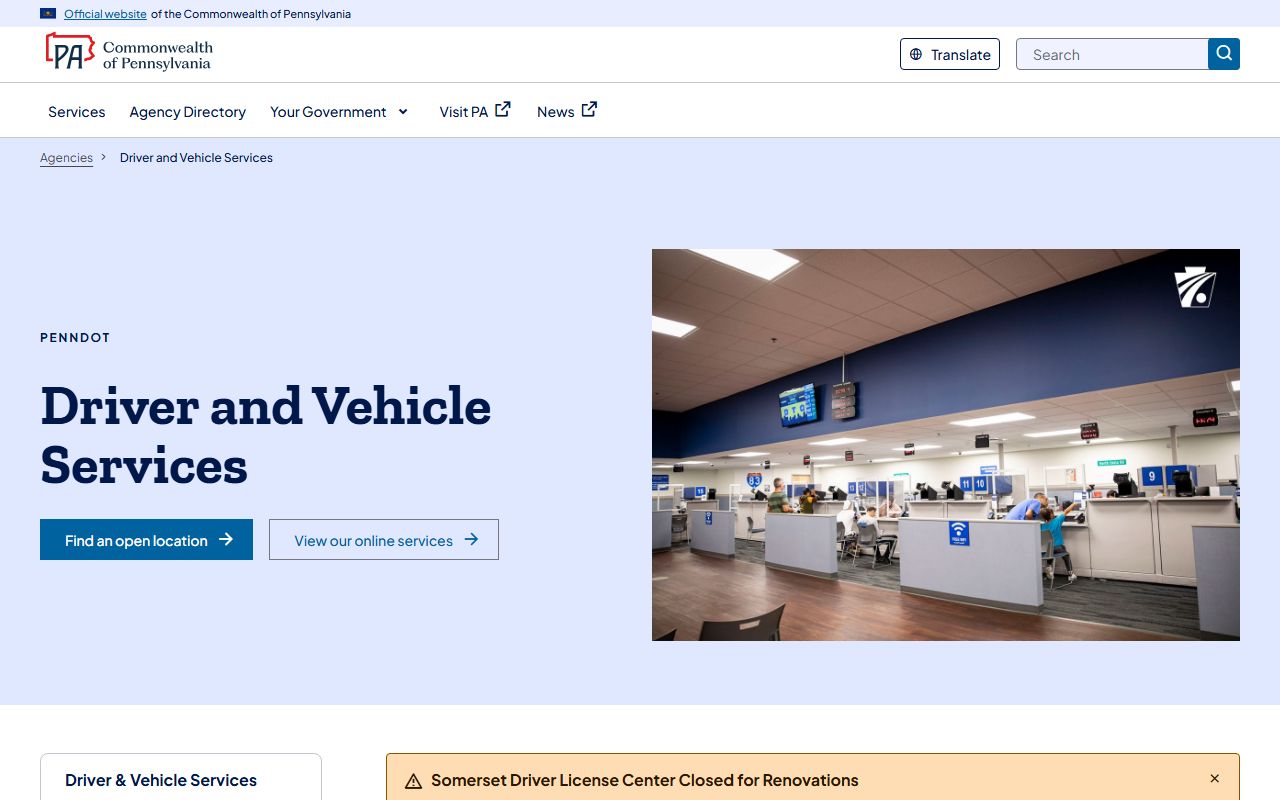
That PennDOT record can be affected by a Lehigh County traffic disposition, but it is requested through the state rather than the MDJ office.
Court Record vs Driver Record
The same traffic stop can create two different public-record questions. The first is the court case: what citation was filed, what plea was entered, what the court decided, and what fines or costs were imposed. The second is the driver history: whether the result was reported to PennDOT, whether points were assessed, and whether the license was suspended or restored.
| Record Type | Source | What It Shows | How to Access |
|---|---|---|---|
| Court traffic record | Magisterial District Court or Court of Common Pleas | Citation, charge, plea, hearing, disposition, fines, costs, and FTA entries. | UJS MDJ or Common Pleas docket search, or the issuing court office. |
| State driver record | PennDOT | License status, reportable convictions, points, suspensions, restorations, and driver-history data. | PennDOT driver history request process. |
DUI CDL and Juvenile Issues
Some Lehigh County traffic matters need extra caution. DUI is usually treated as a criminal matter, not a simple traffic ticket, and may involve both MDJ preliminary stages and Court of Common Pleas proceedings. Commercial driver license holders can face stricter reporting and disqualification consequences even when the court case seems minor. Juvenile traffic matters may have different confidentiality or appearance rules.
Crash reports are also separate. A crash report is usually a police or PennDOT record, not the court traffic docket itself. Parking tickets may be municipal or administrative depending on the issuing authority. If a traffic citation led to a criminal charge, compare the MDJ docket, Common Pleas docket, and PennDOT driver history before assuming one source has the whole record.
Traffic Records and Access Limits
Traffic dockets are part of Pennsylvania court-record access, so public docket fields are generally searched through UJS subject to the Case Records Public Access Policy. County administrative records follow different rules under the Pennsylvania Office of Open Records and the Right-to-Know process, but that does not override sealed court records, juvenile limits, confidential addresses, or restricted case material.
Important: Absence of a traffic case from a broad name search does not prove there is no citation, license hold, or PennDOT consequence.
Certified Traffic Copies
A printed docket sheet can help a driver understand what happened in a Lehigh County traffic case, but a certified court copy may be required for some official uses. The request should go to the court that holds the record. For most traffic citations, that means the specific Magisterial District Court listed on the ticket or docket. For appeals, DUI, or serious criminal traffic cases, the Court of Common Pleas and Clerk of Judicial Records may become the correct route.
Bring or provide the citation number, docket number, driver name, filing or incident date, and issuing court. Ask the office whether the copy can be certified, whether payment must be made before copying, and whether the record is public in full. If the question is points or license status, a certified court copy may not be enough. PennDOT driver history is still the record that shows state license consequences.